Suspension and steering
Suspension, brakes and steering in one section - identify the part by its symptom and deal with the seller directly.
Which undercarriage part is worn - a buyer's guide
Suspension and steering unites three big branches - everything that keeps the car planted, stops it and points it. On potholed roads these are the first parts to wear, so most drivers end up browsing here regularly.
Three branches - what lives where
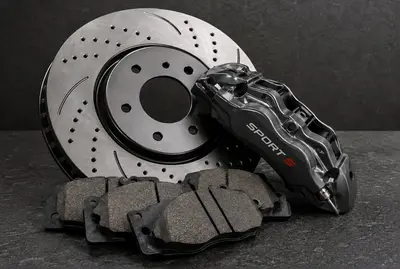
The suspension system holds shocks, springs, control arms, bushings and hubs; the brake system - pads, discs, calipers and ABS units; steering control - tie rods, rod ends and the hydraulics. All three share the same make, model, condition and price filters.
From symptom to part
A precise diagnosis is a mechanic's job, but typical signs point the way:
- knocking over bumps - shocks, arm bushings or a ball joint
- squeal when braking - pads and discs
- free play or wobble in the wheel - tie rod ends
- the car drifts to one side - alignment or tire pressure
Before replacing anything, a check at an undercarriage specialist pays off: one noise often hides several worn parts, and they are replaced together.
New or used - the rule depends on the part
Small rubber-metal wear items - bushings, ball joints, rod ends, pads - should only be fitted new: they carry the safety margin and their wear is invisible from outside. Massive units - arms, hubs, knuckles - work fine used, as long as there is no deformation or play. With shock absorbers the remaining life of a used one cannot be seen, which is why most buyers go new and replace them in pairs per axle.